
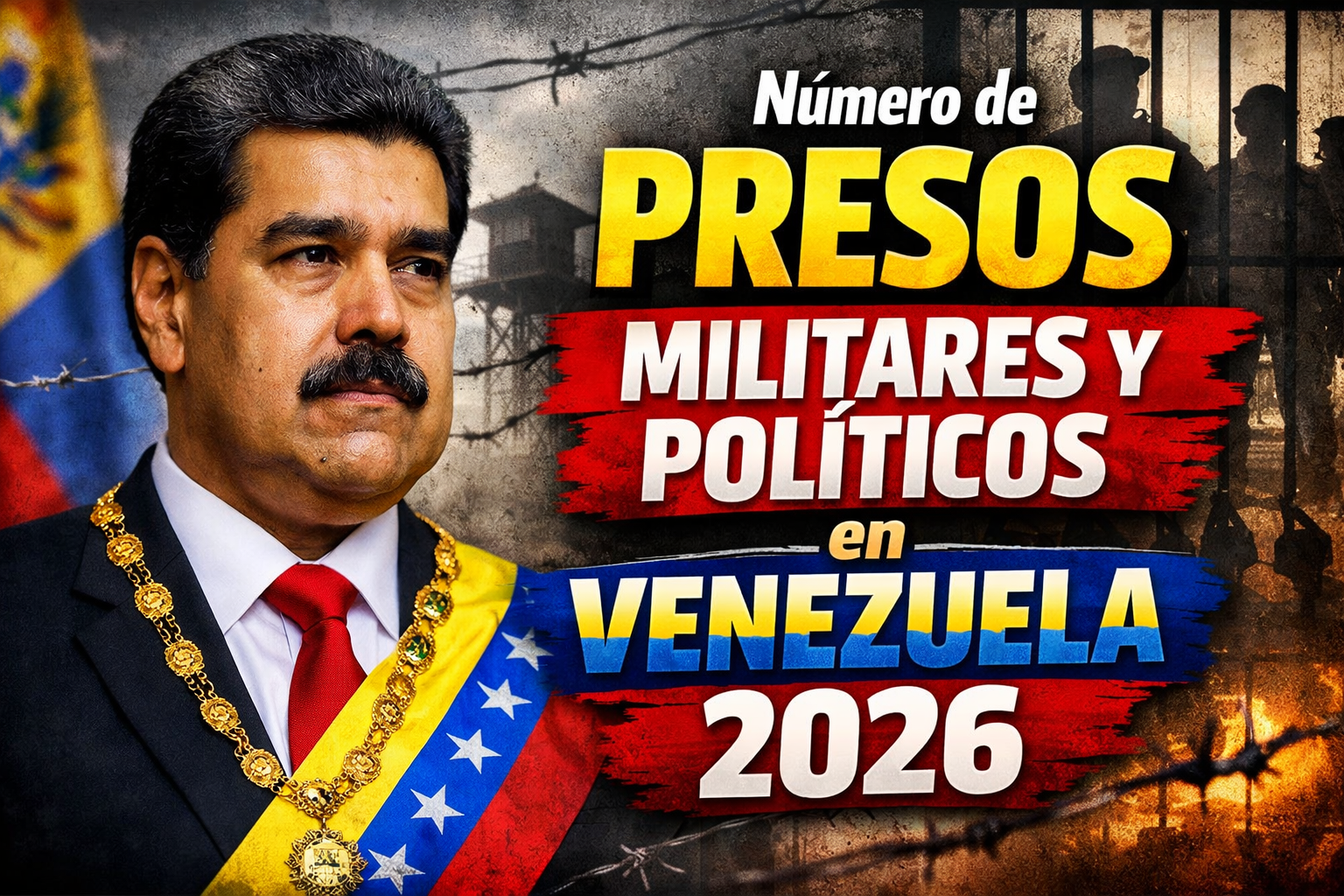
Venezuela’s prison system remains a flashpoint in the fragile transition following Nicolás Maduro’s capture, with military and political detainees enduring severe hardships. Hunger strikes by prominent prisoners underscore the ongoing crisis, as official amnesties clash with verified releases and dire penitentiary conditions persist into 2026.
Panorama General de la Crisis Carcelaria
Overcrowded facilities, rampant violence, and inadequate medical care define Venezuela’s prisons, where political and military inmates face heightened risks. The government’s denial of political prisoners contrasts sharply with reports from human rights groups tracking thousands of cases since 2014. Post-capture reforms promised relief, but implementation lags, leaving hundreds in limbo amid claims of common crimes masking dissent.
Hunger strikes have escalated tensions, with detainees protesting arbitrary detentions and demanding due process. These actions draw international attention, pressuring transitional authorities to accelerate amnesties. The crisis exacerbates public distrust, as families camp outside prisons awaiting news.
Evolución de las Cifras de Presos Políticos
Independent monitors like Foro Penal have documented nearly nineteen thousand political arrests since 2014, with peaks during election cycles and protests. Early 2026 saw announcements of mass releases, yet discrepancies plague the numbers: government tallies include precautionary measures, while NGOs focus on physical incarcerations.
By February, verified excarcelations reached several hundred, reducing totals from over eight hundred to around five hundred sixty-eight. Women and adolescents represent smaller shares, but their cases highlight vulnerabilities. Foreign nationals, often accused of meddling, add diplomatic layers.
Ongoing verifications reveal slow progress. Parliamentary commissions report thousands of amnestía requests, granting freedom to some while others languish. This gap fuels skepticism about the transitional government’s commitment.
Presos Militares: Lealtad y Represión
Military detainees, often charged with rebellion or treason, form a significant bloc. Early 2026 balances showed around one hundred eighty-five soldiers imprisoned, down from higher pre-amnesty figures. These include officers from elite units who allegedly plotted against Maduro or refused loyalty oaths.
Conditions for military prisoners differ slightly, with transfers to military stockades offering marginally better oversight. However, reports of torture persist, including isolation and beatings to extract confessions. Amnesties have freed some lower ranks, but senior officers face prolonged trials.
Their plight symbolizes fractured armed forces loyalty. Post-capture splintering led to defections, but holdouts view detained comrades as bargaining chips. Families advocate through networks, amplifying calls for group pardons.
| Categoría | Hombres | Mujeres | Civiles | Militares | Total Estimado (Marzo 2026) |
|---|---|---|---|---|---|
| En Prisión | 505 | 63 | 386 | 182 | 568 |
| Bajo Medidas Cautelares | Varios miles | – | – | – | 5,383 (oficial) |
| Liberados Verificados | 500+ | – | Mayoría | Minoría | 568 totales |
| Extranjeros | – | – | – | – | 52 |
Huelgas de Hambre: Actos de Desesperación
High-profile hunger strikes have gripped national attention. Detainees refuse food to protest stalled amnesties and inhumane treatment, with some entering week-long fasts. Leaders like opposition activists and junior officers cite lack of medical exams and family visits as triggers.
Medical complications arise quickly in malnourished prisons. Intravenous hydration becomes a battleground, with guards accused of force-feeding or neglect. International NGOs document weight loss exceeding twenty percent in prolonged cases, risking organ failure.
These protests achieve mixed results. Some strikes prompt releases, as in emblematic civilian cases, but military ones face stonewalling. Solidarity fasts abroad by exiles amplify pressure, linking prison crises to broader democratic demands.
Condiciones en las Instalaciones Penitenciarias
Prisons like Tocorón and El Rodeo epitomize chaos, with gang control yielding to state reclamation post-capture. Overcrowding hits two hundred percent capacity, breeding tuberculosis and violence claiming dozens monthly. Political sections segregate inmates, yet clashes occur.
Military facilities in Fuerte Tiuna offer relative calm but psychological torment via indefinite holds. Food rations suffice barely half caloric needs, supplemented by family deliveries often ransomed. Water scarcity triggers riots, worsened by nationwide blackouts.
Human rights abuses include beatings for protest chants and denial of lawyers. Women endure sexual harassment, with maternity cases denied aid. Adolescent detainees, rare but poignant, face adult mixing risks.
Discrepancias entre Cifras Oficiales y Verificadas
Government reports boast thousands freed via the February Amnistía Law, counting non-custodial measures. Foro Penal verifies only physical releases, confirming over five hundred since January against official hyperbole. Parliamentary updates cite nine thousand plus requests, with hundreds granted.
This chasm stems from definitions: authorities label all as common criminals, NGOs prove political motives via charges like “terrorism.” Verification delays arise from access denials and secrecy.
Critics argue inflated figures mask ongoing detentions. Independent audits, urged by the OAS, could bridge gaps but face resistance.
Impacto de la Ley de Amnistía de Febrero
Promulgated amid transition hopes, the law unifies opposition and chavismo factions in approval. It covers acts since 2013, targeting reconciliation. Early weeks saw thousands apply, with two hundred forty-five prison releases and thousands more precautionary lifts.
Challenges include bureaucratic snarls and selective application. High-visibility foreigners gain quick exits, like an Argentine activist, while locals wait. Foro Penal’s role in legal aid proves vital, verifying sixty-seven early cases.
Successes bolster transitional legitimacy, but shortfalls invite backlash. Extensions loom if backlogs persist.
Casos Emblemáticos de Detenidos
Prominent figures galvanize campaigns. Journalists freed after hunger pledges highlight media repression. Military captains, symbols of honor, endure longest amid coup allegations.
Civilian leaders from 2024 protests embody resilience. Their stories, shared via smuggled videos, humanize statistics. International pleas, including from the UN, spotlight fates.
Family vigils outside gates become media magnets, sustaining pressure.
Rol de las Organizaciones Internacionales
Foro Penal leads domestic tracking, partnering with Amnesty International and Human Rights Watch. OAS missions monitor amnesties, decrying opacity. US and EU sanctions tie relief to releases.
Diplomatic visits yield spot excarcelations. Venezuelan exiles lobby, funding legal teams.
Estadísticas Clave de la Crisis
-
Detenciones políticas históricas: Cerca de diecinueve mil desde 2014.
-
Pico pre-2026: Más de ochocientos encarcelados.
-
Excarcelaciones verificadas enero-marzo: Más de quinientos.
-
Solicitudes amnistía: Nueve mil sesenta.
-
Muertes en custodia política: Cientos documentados.
-
Tasa hacinamiento prisiones: Dos cien por ciento.
-
Enfermedades prevalentes: Tuberculosis, desnutrición.
These underscore urgency. Child malnutrition mirrors adult inmate rates at alarming levels.
Desafíos para la Transición Post-Maduro
Holdout factions resist full amnesties, fearing reprisals. Prison reforms demand billions, strained by economic woes. Judicial purges risk politicization.
Public safety hinges on releases without recidivism incentives. Reconciliation commissions propose truth over punishment.
Estrategias de Supervivencia de los Presos
Inmates organize mutual aid, sharing smuggled goods. Spiritual networks sustain morale. Legal collectives file habeas corpus en masse.
Hunger strikes evolve into coordinated calendars, maximizing impact.
Perspectivas Futuras y Recomendaciones
Mid-2026 primaries could mandate full clearances. Tech like blockchain tracking promises transparency. International funding targets infrastructure.
Civil society urges independent oversight. Prisoner reintegration programs, including jobs and therapy, prove essential.
Venezuela’s prisons test democratic rebirth. Resolving this crisis unlocks healing, fostering unity beyond division.
